Terms And Condition Rules Shape Your Digital Experience
Terms and condition policies act as the legal framework for every online interaction. These rules define what you can and cannot do while using a platform, as well as what the provider is responsible for. For users of Lodi646, knowing the fine print isn’t just legal, it’s essential for safety and satisfaction. This article breaks down everything you need to know to stay compliant, protected, and confident online.
The underlying framework of the terms and conditions

At the heart of every digital platform are the terms that regulate how services are offered and accessed by users.
Definition and acceptance
A strong terms and condition begins with a clear definition of what the document covers. This includes services provided, platform scope, and legal jurisdiction. The clause also indicates that by using the website, you automatically agree to abide by these terms. This section sets the tone for the rest of the agreement, giving users a clear understanding of their responsibilities and the site’s obligations.
Membership requirements and eligibility guidelines
This clause outlines who can use the platform and what’s needed to create an account. A compliant term will state the age limit, usually 18 or above, and may include location restrictions depending on legal boundaries. It may also list documentation required for identity verification. These requirements ensure only eligible users access the platform, reducing legal risk and fraud.
Service availability
The terms and condition should define the availability and limitations of the services offered. It covers whether services are guaranteed 24/7 or subject to interruptions for maintenance. While uptime is a goal, providers must clearly state they are not liable for unexpected downtimes. This protects both users from unrealistic expectations and the company from legal issues in case of service outages.
Changes to the terms
Platforms often update their rules, and the terms and condition must disclose this right. It typically states that continued use of the platform after changes implies acceptance. Some policies also note that users will be notified of updates through email or pop-ups. By declaring this, platforms stay legally covered while encouraging users to remain informed.
User obligations and restrictions

Between fair use and outright abuse lies a boundary established by the terms, which users must follow to avoid penalties. These rules are designed to protect both the platform’s integrity and the user experience for all members.
Prohibited activities
A robust terms and condition includes a detailed list of forbidden actions. These may involve fraud, using bots, offensive language, or exploiting system loopholes. Clear enforcement clauses empower the platform to suspend or ban violators without notice. This clarity helps protect community integrity and keeps interactions safe for all users.
Intellectual property rights of terms and condition
Users must respect ownership rights for site content, logos, games, and branding. The condition should state that all intellectual property belongs to the platform or its licensors. Unauthorized copying or redistribution is prohibited. By defining IP rights, platforms safeguard their original work while deterring copyright infringement.
User content guidelines
Many platforms allow users to upload or share content. A transparent condition will define what’s acceptable and what isn’t. This includes avoiding illegal content, hate speech, or spam. It may also give the platform the right to remove content that violates policies. Guidelines like these help maintain a respectful, lawful user environment.
Account security responsibilities
While providers implement strong security, users also have responsibilities. The terms and condition should stress keeping passwords confidential and avoiding public device logins. It may also remind users to report any suspicious account activity. Promoting shared accountability helps reduce security risks for all parties involved.
Disclaimers and liabilities for player
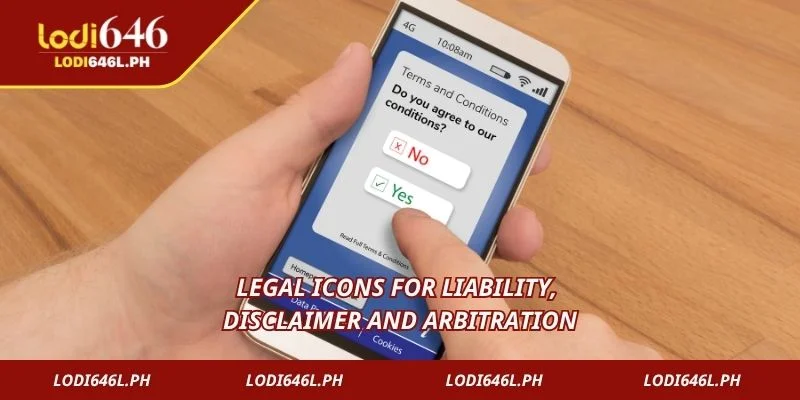
This section of the condition protects both users and the service provider in the event of disputes, technical faults, or legal claims. It outlines the responsibilities and limitations of each party to ensure fair resolution and accountability.
Limitation of liability
The terms and condition typically include a clause that limits the company’s liability in case of indirect or incidental damages. This means if users experience losses due to errors, downtime, or third-party services, the platform isn’t legally responsible beyond a certain extent. It’s a legal safeguard that prevents unfair lawsuits.
Warranty disclaimer
Most platforms operate “as is,” meaning no guarantees are made about uninterrupted service or bug-free performance. The terms should explicitly state this. It protects the platform if users encounter issues that don’t stem from negligence. This type of clause is standard practice in digital services.
See more: About Us Insights – Lodi646 Licensing, Games And Advantages
Third-party links and services
Some platforms include links to external services or products. A clear terms and condition must declare that the provider isn’t responsible for third-party content, security, or transactions. Users must exercise caution and read the separate terms of those sites. Declaring this boundary limits the original platform’s liability.
In addition, it’s important to inform users that clicking on third-party links may expose them to cookies, data collection practices, or marketing strategies not aligned with the original platform’s policies. Including disclaimers about these risks promotes transparency. Platforms should also clarify that a link does not imply endorsement or partnership unless explicitly stated. This distinction helps maintain user trust and protects the brand from potential reputational harm caused by unrelated third-party issues.
Dispute resolution process
In case of legal conflicts, the terms and condition should explain the process for resolution. It might involve arbitration, specific legal jurisdictions, or internal review channels. Establishing this process early helps avoid costly litigation and ensures conflicts are handled fairly and efficiently.
Conclusion
By reading the terms and condition of any digital platform, users gain critical knowledge about their rights and obligations. Whether you’re managing your account, uploading content, or engaging with others, these rules guide every step of your interaction. For platforms like Lodi646, having a clear, updated condition fosters trust and ensures compliance on both sides.




